How to Fight Cancer in 10 Minutes
What if a single 10-minute workout could flip genetic switches that slow cancer growth? New research says it can. While fitness influencers argue about optimal rep ranges and training splits, scientists at Newcastle University just discovered something far more important: brief, intense exercise releases molecules into your bloodstream that fundamentally change how cancer cells behave.
This month’s FitNKC Health Report highlights three areas where science now confirms what experience has long suggested: functional fitness works, injectable peptides are a dangerous gamble, and your brain needs care just as much as your body. Read the report below to learn more, and click our source links to explore any featured story in greater depth.
Disclaimer: The FitNKC Health Report is our monthly series spotlighting progress, important research, emerging controversies, and good news worth knowing in the health and wellness space. In a busy life, it is hard to keep up with what is actually happening in science and medicine, so we do the reading for you. Everything featured here is commentary on existing research and reporting. We do not claim ownership of any sourced material, and we encourage you to follow the links and dive deeper into any story that resonates.
10 Minutes of Exercise Can Trigger Anti-Cancer Effects
Researchers at Newcastle University tracked 30 adults (ages 50 to 78) through brief, intense cycling sessions lasting about 10 minutes. They analyzed 249 proteins in blood samples collected before and after exercise. The results were striking. Thirteen proteins increased after exercise, including interleukin-6 (IL-6), which plays a key role in repairing damaged DNA (Orange et al., 2025).
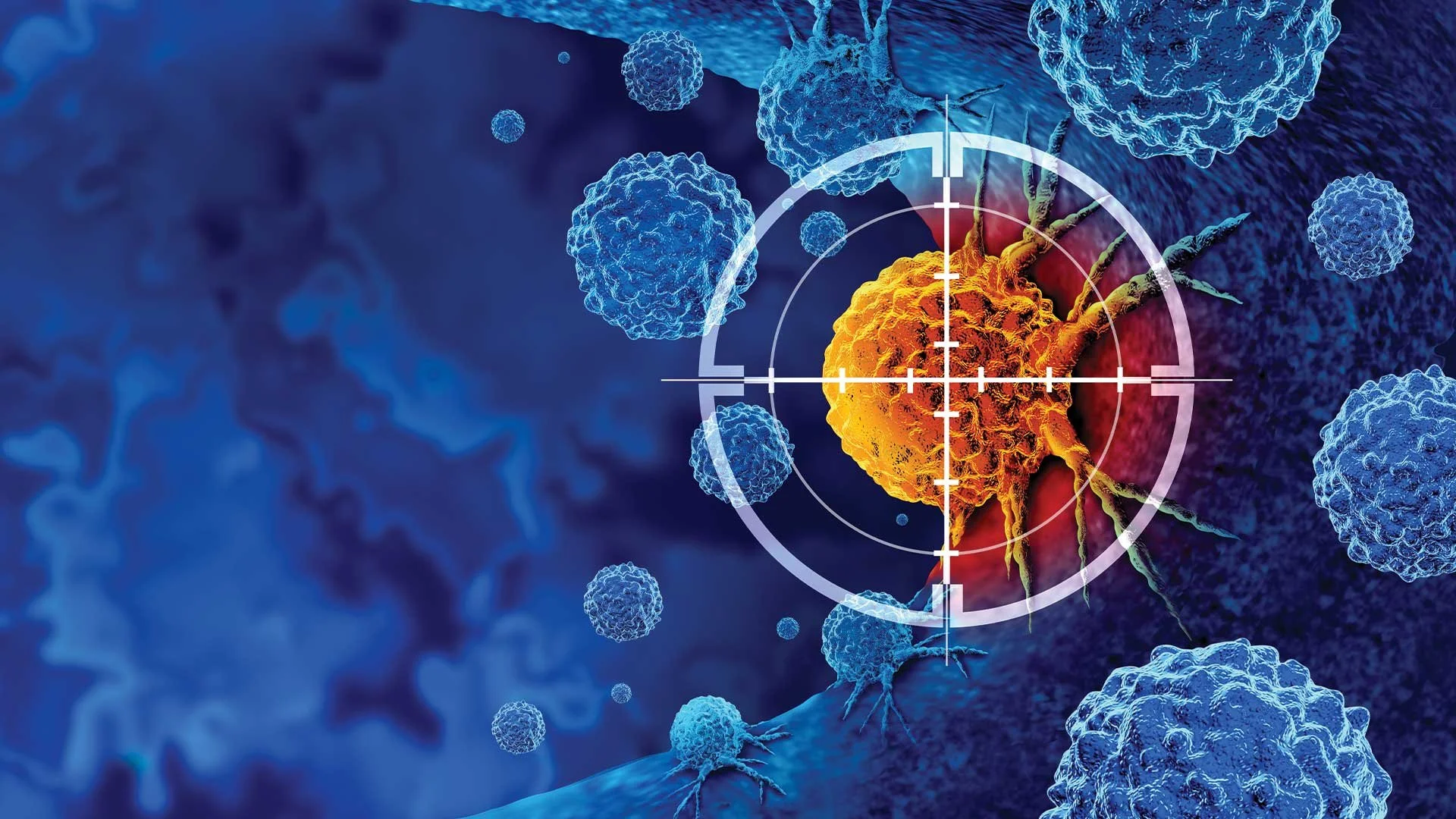
When scientists exposed bowel cancer cells to blood containing these exercise-driven molecules, they observed widespread genetic changes. More than 1,300 genes shifted their activity, including genes involved in DNA repair, energy production, and cancer cell growth. Genes linked to rapid cell division were turned down, potentially making cancer cells less aggressive. Blood collected after exercise also activated a key DNA repair gene, PNKP (Orange et al., 2025).
Here is what matters: you do not need to live in a gym to protect your health. Ten minutes of hard work sends powerful signals through your bloodstream that influence thousands of genes, including those that control tumor growth and genetic stability.
Bowel cancer is the fourth most common cancer in both the US and the UK. Researchers estimate that regular physical activity lowers bowel cancer risk by about 20 percent (Orange et al., 2025). This study helps explain why.
The researchers concluded that even a single workout lasting just 10 minutes can send powerful signals through the body that influence cancer-related gene activity (Newcastle University, 2026).
We often overcomplicate fitness. We convince ourselves we need the perfect program, the perfect schedule, the perfect conditions. But the science keeps pointing to a simpler truth: movement matters, and consistency beats perfection. Ten focused minutes today is infinitely more valuable than the hour you keep putting off until tomorrow.
Bottom line: You do not need an hour. You need 10 focused minutes.
Newcastle University. (2026, January 8). Just 10 minutes of exercise can trigger powerful anti-cancer effects. ScienceDaily. https://www.sciencedaily.com/releases/2026/01/260107225535.htm
Orange, S. T., Dodd, E., Nath, S., Bowden, H., Jordan, A. R., Tweddle, H., Hedley, A., Chukwuma, I., Hickson, I., & Sharma Saha, S. (2025). Exercise serum promotes DNA damage repair and remodels gene expression in colon cancer cells. International Journal of Cancer. https://doi.org/10.1002/ijc.70271
The Peptide Gold Rush You Should Sit Out
Injectable peptides have exploded into the mainstream fitness and wellness space. What started in bodybuilding circles has now spread to tech workers, wellness influencers, and celebrities, all promising shortcuts to muscle growth, fat loss, injury recovery, and anti-aging. Online sellers offer vials for $300 to $600 each. Longevity clinics charge thousands per month in membership fees. And "peptide raves" have emerged in Silicon Valley where attendees inject experimental compounds together (Sun, 2026).
The problem? Most of these products have never been studied in humans.
The FDA has added more than two dozen peptides to a list of substances that should not be compounded due to safety concerns (Associated Press, 2025). Popular compounds like BPC-157, TB-500, CJC-1295, and others are now classified as "Category 2" substances, meaning the FDA has identified significant safety risks including potential immune reactions, manufacturing impurities, and a complete lack of human clinical data (FDA, 2024). The Department of Justice has already prosecuted compounding pharmacies, with Tailor Made Compounding LLC forfeiting $1.79 million for distributing unapproved peptides (Associated Press, 2025).
Dr. Eric Topol of Scripps Research Translational Institute noted that influencers promoting "stacks" of multiple peptides at once is particularly dangerous (Associated Press, 2025).
Here is what you need to understand: the peptides being sold for fitness and anti-aging purposes are not FDA approved drugs being used off-label. They are unapproved substances that have never completed human safety trials. There is no established safe dose. There is no quality control. Products labeled "for research use only" are a legal workaround, not a safety assurance.
The appeal is understandable. We live in a culture that promises shortcuts. GLP-1 medications like Ozempic have shown that peptides can produce dramatic results, and that success has created a halo effect around anything with "peptide" in the name. But those drugs went through years of rigorous clinical trials. The compounds being sold on gray market websites and mixed in home kitchens have not. A 2024 systematic review in orthopaedic sports medicine found 35 preclinical studies on BPC-157 but only one small retrospective human series, with no randomized controlled trials to prove benefit or establish safety (BodySpec, 2025).
Celebrity endorsements from Joe Rogan, Jennifer Aniston, and others have accelerated adoption (Associated Press, 2025). But fame is not evidence. And the fact that something is "natural" or "found in the body" does not make injecting synthetic versions safe.
There is no injection that replaces the work of caring for yourself. Progressive resistance training, adequate protein intake, quality sleep, stress management, and genuine human connection have decades of research behind them. These are not exciting or new. They do not come in a vial. But they work, and they will not land you in a regulatory gray zone with unknown long-term consequences.
Bottom line: The hype is outpacing the science by years. This is one trend worth skipping entirely.
Associated Press. (2025, November 14). A closer look at the unapproved peptide injections promoted by influencers and celebrities. ABC News. https://abcnews.go.com/US/wireStory/closer-unapproved-peptide-injections-promoted-influencers-celebrities-127514463
BodySpec. (2025, January 23). Wolverine Peptide (BPC-157): Science, Safety, and Legality. https://www.bodyspec.com/blog/post/wolverine_peptide_bpc157_science_safety_and_legality
FDA. (2024, September 27). 503A Category 2: Bulk Drug Substances that Raise Significant Safety Risks. https://www.fda.gov/media/94155/download
Sun, J. (2026, January 3). 'Chinese Peptides' Are the Latest Biohacking Trend in the Tech World. The New York Times.
Your Lifestyle Can Make Your Brain 8 Years Younger
Researchers at the University of Florida tracked 128 middle-aged and older adults using MRI scans and machine learning to estimate "brain age" compared to chronological age. Their findings, published in Brain Communications, revealed that several modifiable lifestyle factors can make your brain appear up to eight years younger biologically (Tanner et al., 2025).
The key factors? Sleep quality, stress management, optimism, and social support. Participants who scored highest on these protective behaviors had brains that looked eight years younger at the start of the study, and their brains continued to age more slowly over the two-year follow-up period. The researchers found that each additional healthy behavior provided measurable neurobiological benefit, supporting the idea that lifestyle choices function as a form of medicine for brain health (Tanner et al., 2025).
This research points to something we tend to forget in the noise of optimization culture: the basics matter more than the hacks.
Sleep is not a luxury. Stress management is not soft. Optimism is not naivety. And human connection is not optional. These are the foundations of a body and mind that age well. The study found that each additional protective behavior provided a measurable benefit. There was no magic threshold, no single silver bullet. Just the quiet, compounding returns of taking care of yourself across multiple dimensions.
We are not machines to be optimized. We are humans who need rest, who need community, who need to feel like life has meaning. The research keeps confirming what we intuitively know: a good life and a healthy brain are built the same way, one small, sustainable choice at a time.
Bottom line: Sleep, stress management, optimism, and community are not soft skills. They are brain preservation strategies.
Tanner, J. J., Mickle, A., Holmes, U., Addison, B., Rangel, K., Garvan, C., Staud, R., Lai, S., Redden, D., Goodin, B. R., Price, C. C., Fillingim, R. B., & Sibille, K. T. (2025). More than chronic pain: Behavioural and psychosocial protective factors predict lower brain age in adults with/at risk of knee osteoarthritis over two years. Brain Communications, 7(5). https://doi.org/10.1093/braincomms/fcaf344
University of Florida. (2025, December 15). These simple habits could make your brain 8 years younger, study finds. ScienceDaily. https://www.sciencedaily.com/releases/2025/12/251214100933.htm
About The FitNKC Health Report
Every month, we examine recent peer-reviewed research and online articles to share what we are learning about health, fitness, and wellness. No co-signing trendy supplements. No fear-mongering about training methods. Just an honest take on stories and advancements in health and wellness.
Have a Story We Should Cover?
Found a study that challenges conventional wisdom or confirms what actually works? Came across an article that made you think twice? We are always looking for research and stories worth sharing. Submit your suggestions using the link below.
Disclaimer: Featuring a study or topic in this report does not constitute endorsement, support, or recommendation of any particular product, method, claim, or course of action. The FitNKC Health Report covers advancements and developments in the health and fitness space strictly for commentary and discovery purposes. This content should not be construed as medical, nutritional, or professional advice, nor as factual claims or guidance. FitNKC is not prescribing, diagnosing, promoting, or advising any course of action; we are simply sharing what we find relevant or interesting in our field. This Health Report exists under fair use for purposes of commentary, criticism, and analysis. Readers should consult qualified professionals before making changes to their health, fitness, or nutrition practices. If you are an author, researcher, publisher, or rights holder of any content referenced in this report and would like to request updates, modifications, or removal, please contact us directly at this link. FitNKC is committed to accuracy, proper attribution, and respect for intellectual property.