How to Squat Properly: Master Perfect Form and Avoid Common Mistakes (2026 Guide)
Searching for how to squat properly or proper squat form? You're not alone. The back squat is one of the most popular fitness-related internet searches, and for good reason. At FitNKC, one of Kansas City's top functional fitness gyms in the Northland, we coach hundreds of clients through this foundational movement every year. When done correctly, squats build unbreakable strength, improve athletic performance, and protect your joints over the long term. Done wrong? They lead to knee pain, lower back issues, and frustrating plateaus.
In this comprehensive 2026 guide, we'll cover proper back squat form step by step, the most common squat mistakes (with exact fixes), a quick-reference checklist, and expert tips tailored for lifters. Whether you're a beginner wondering "how deep should I squat?" or an experienced athlete fixing valgus collapse, this post has you covered. Build on mobility work like our 90/90 Hip Opener for Smoother Squats or spinal control from the Jefferson Curl, as mastering squat technique is the next level.
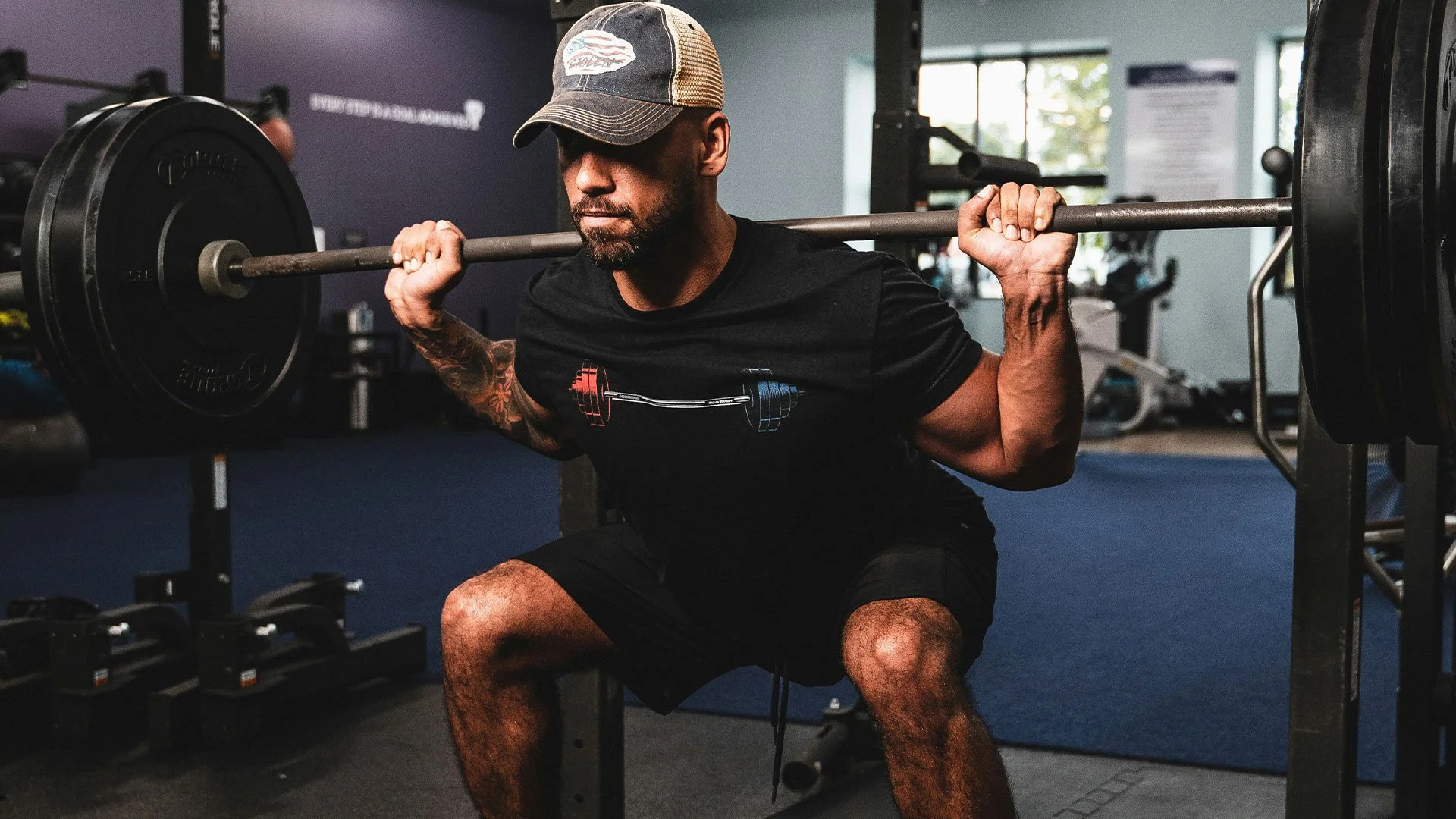
WHY PROPER SQUAT FORM MATTERS
Squats aren't optional; they're a fundamental pattern for everyday life and sports. At our gym in Kansas City, we see runners, powerlifters, and weekend warriors all transform when they dial in technique.
5 KEY BENEFITS OF PROPER SQUAT FORM
Builds quads, glutes, hamstrings, and core strength simultaneously
Boosts hormone response for muscle growth and fat loss
Improves mobility, posture, and joint health
Reduces risk of injury when loaded properly
Enhances performance in sports popular in Kansas City, from pickup basketball to trail running
Poor form turns this kind of exercise into a liability. Let's fix that.
STEP-BY-STEP GUIDE: HOW TO PERFORM THE PERFECT BACK SQUAT
Follow this high-bar back squat technique, our go-to variation for most clients at FitNKC in Kansas City.
Bar Setup: Position the bar on your upper traps (not neck). Grip just outside shoulders, elbows down, create a solid "shelf."
Stance: Feet shoulder-width, toes out 15–30° (experiment for your body).
Brace Core: Take a big breath into the belly, and brace 360°, as if taking a punch.
Unrack & Step Back: Lift, step back minimally, settle feet.
Descent: Hips back first, bend knees, chest up, knees track over toes.
Depth: Break parallel (hips below knees) without butt wink, if mobility limits, build up gradually.
Ascent: Drive through mid-foot/heels, extend hips and knees together, lock out strong.
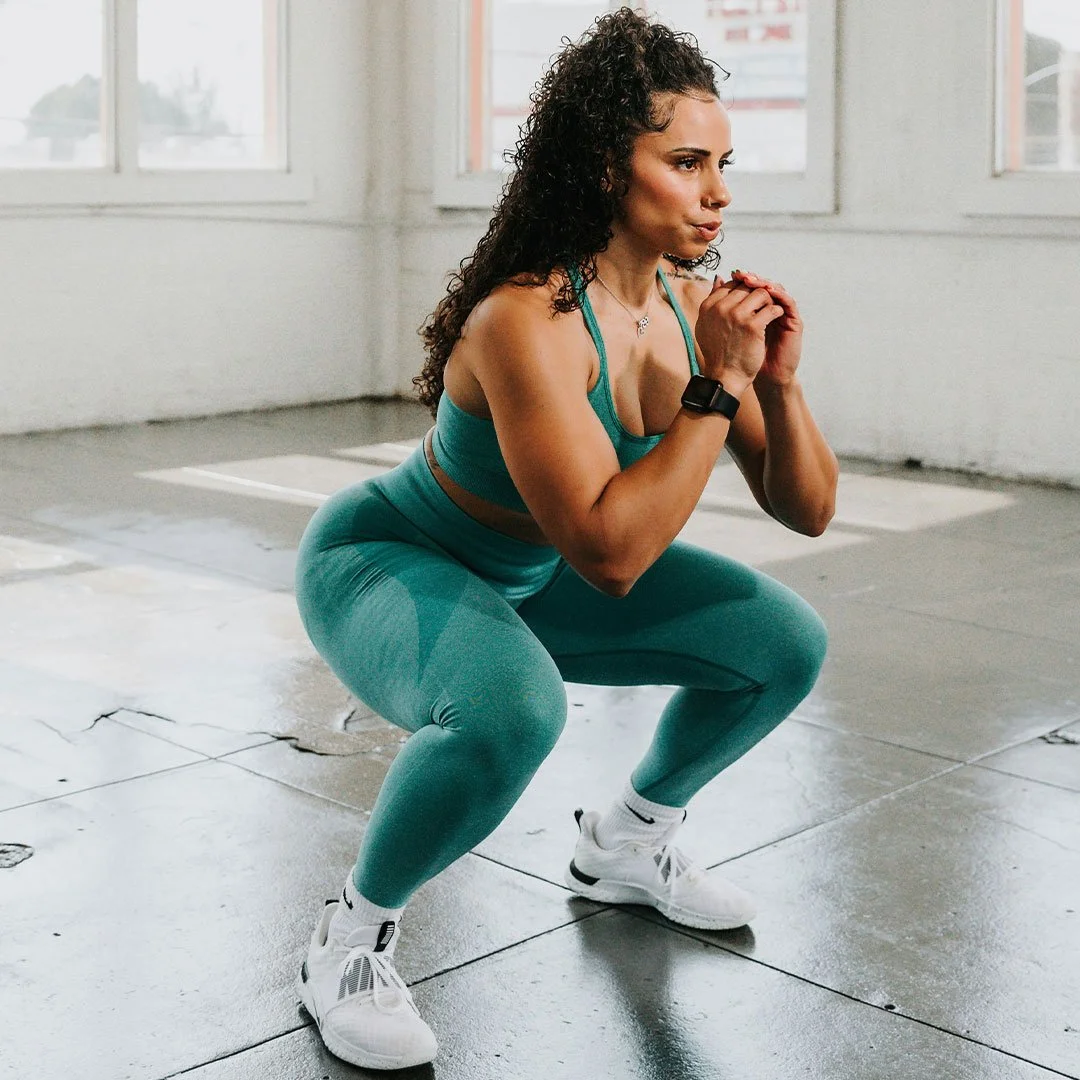
7 MOST COMMON SQUAT MISTAKES & HOW TO FIX THEM
These are the form breakdowns we correct most at FitNKC Kansas City:
Knees Caving In (Valgus)
Why It's Bad
Puts stress on knees, weakens glutes
How to Fix It
Push knees out actively; cue "spread the floor." Add banded squats.
Heels Lifting
Why It's Bad
Shifts weight forward, strains knees
How to Fix It
Drive through heels; improve ankle mobility (try Down Dog stretches).
Excessive Forward Lean
Why It's Bad
Overloads lower back
How to Fix It
Keep chest tall; brace harder; film side view.
Butt Wink at Bottom
Why It's Bad
Rounds lower back under load
How to Fix It
Limit depth temporarily; build hip mobility (see our 90/90 guide).
No Core Brace
Why It's Bad
Loses stability and power
How to Fix It
Practice Valsalva: deep belly breath + full tension.
Partial Depth
Why It's Bad
Misses full muscle recruitment
How to Fix It
Use box squats to build confidence; go as deep as control allows.
Bouncing at Bottom
Why It's Bad
Relies on momentum, risks joints
How to Fix It
Pause 1–2 seconds at bottom for control.
QUICK SQUAT FORM CHECKLIST
Use this before every set:
Feet grounded, weight mid-foot to heel
Core braced tightly
Chest up, eyes forward
Knees tracking over toes
Hips back first on descent
Full depth with neutral spine
Powerful drive up, hips and knees extend together
FREQUENTLY ASKED QUESTIONS FOR SQUATS
-
Aim for hips below knees (parallel or deeper) if mobility allows. Partial squats are fine during learning phases.
-
Yes, it's natural and safe for most people. Restricting it often causes forward lean and back strain.
-
No, when done with proper form. Poor technique causes issues; correct squats strengthen and protect joints.
-
High-bar (our focus) is more quad-dominant and upright; low-bar allows heavier loads but shifts to posterior chain.
-
2–3 times per week, varying intensity and volume for optimal progress.
-
Often yes, with modifications and coaching. Book a free assessment at FitNKC Kansas City to find out.